


Nemotron 3 Embed 1B
NVIDIA · nvidia/Nemotron-3-Embed-1B-BF16
Weights license: OpenMDW 1.1 · code and components may use other terms
Quality
Not in the MTEB ranking
The MTEB results dataset covers 13 of 131 tasks of MTEB (Multilingual, v2); a mean over a partial task set is not comparable, so none is computed.
Reported by the publisher
- Text Retrieval benchmarks - Avg. NDCG@10 · RTEB (chunk retrieval)
- 72.38
- Text Retrieval benchmarks - Avg. NDCG@10 · ViDoRe-V3 text (chunk retrieval)
- 57.74
- Text Retrieval benchmarks - Avg. NDCG@10 · MMTEB (chunk retrieval; Retrieval)
- 71.04
Values as printed on the card, with the publisher's own settings (card section: Training, Testing, and Evaluation Datasets: › Evaluation Dataset:); column “Nemotron-3-Embed-1B-BF16”. Not comparable across publishers and not used in any ranking. Model card
Quality × memory
No comparable quality × memory pair
Embedding memory estimates cluster at a few GB, so a quality × memory chart would not separate these models; MTEB is ranked above instead.
Runs on
Fast memory holds it 119
The planning estimate fits the memory the model can use quickly: graphics card VRAM, or unified memory within the macOS GPU share.


Show all 119






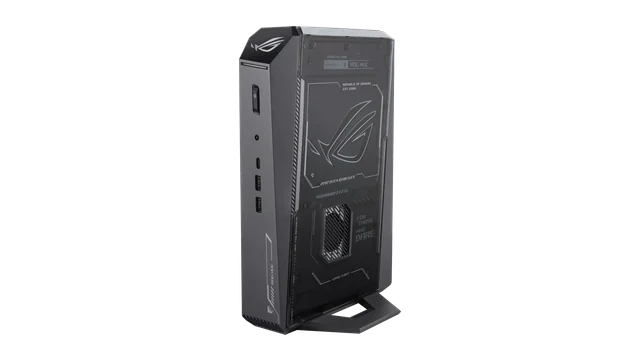

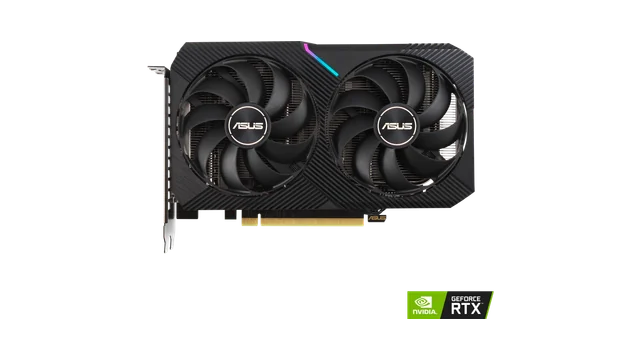


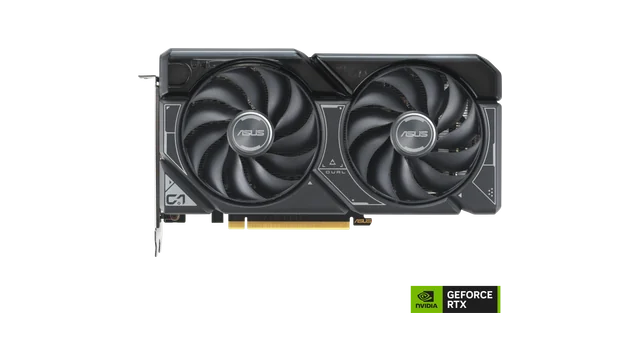
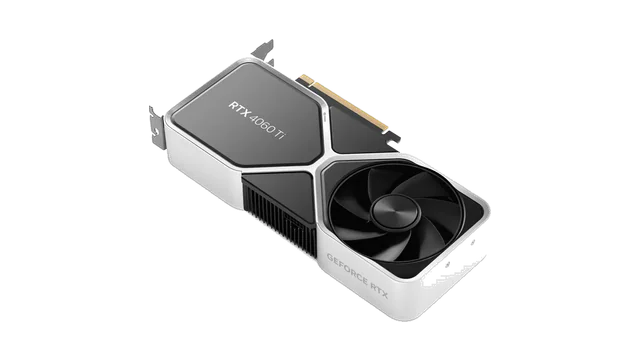
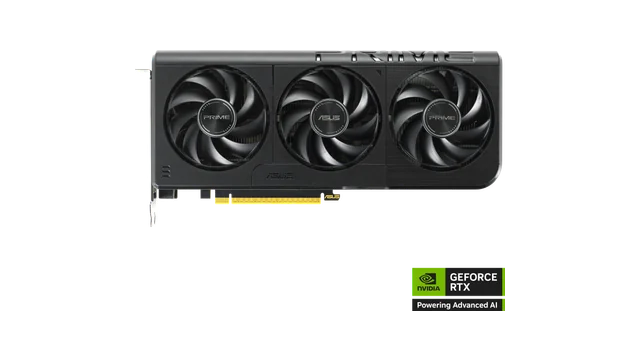

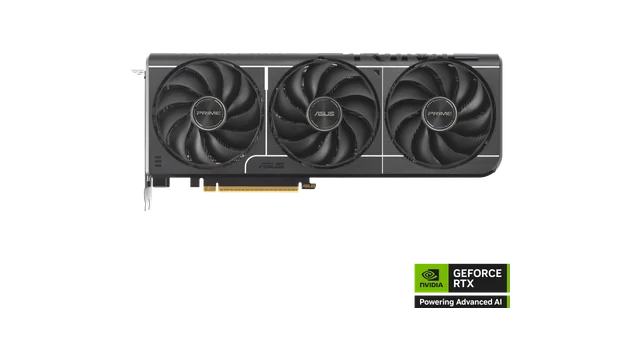
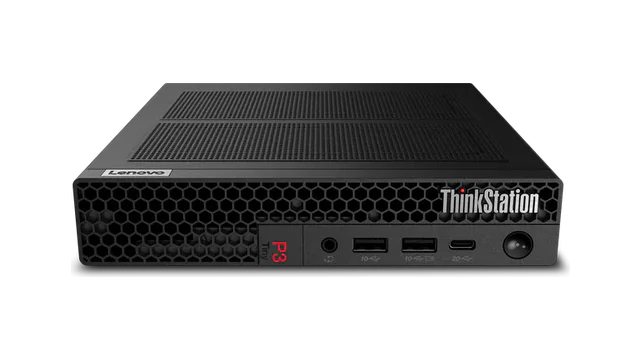
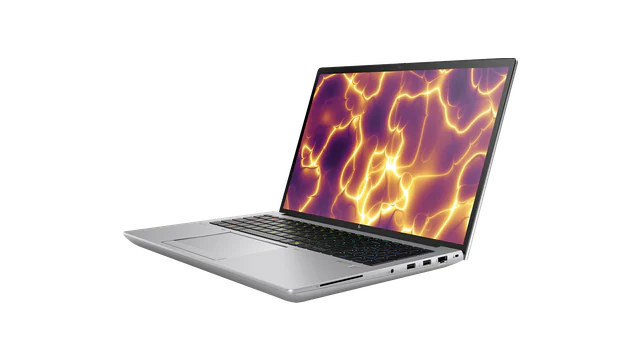
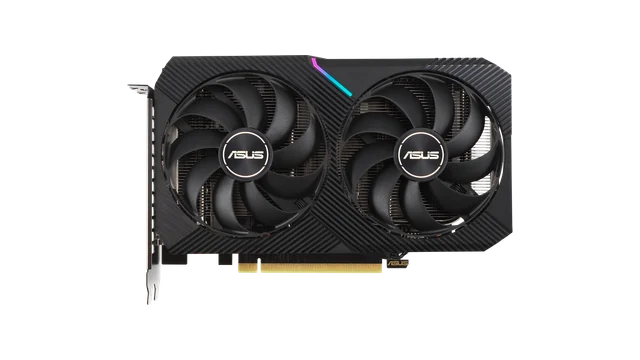
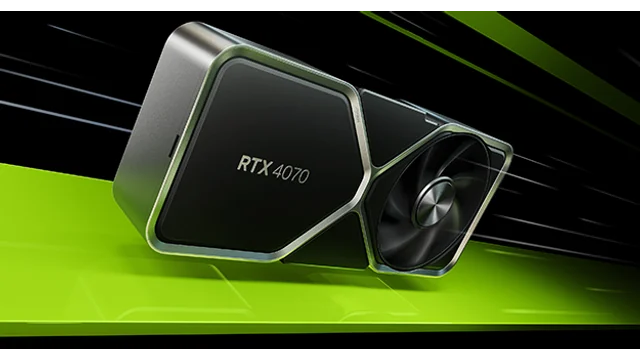

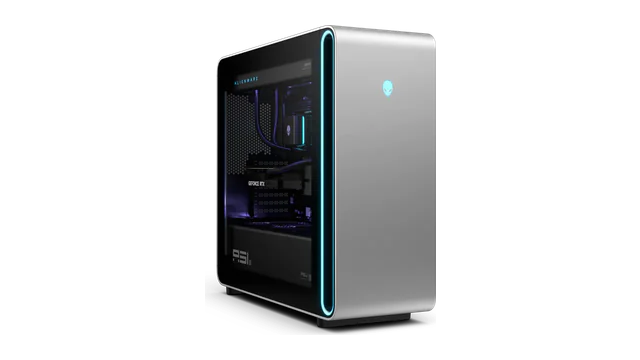






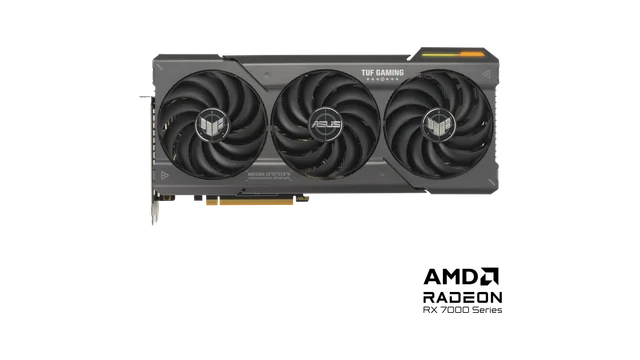
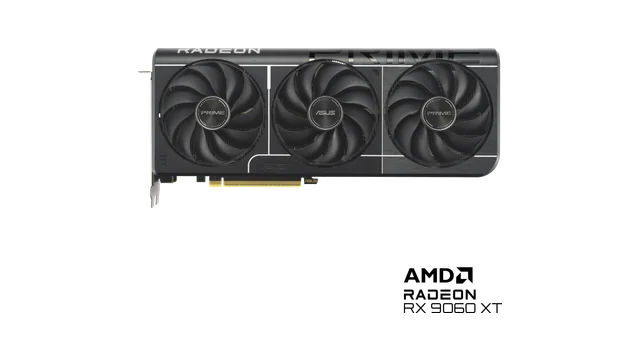
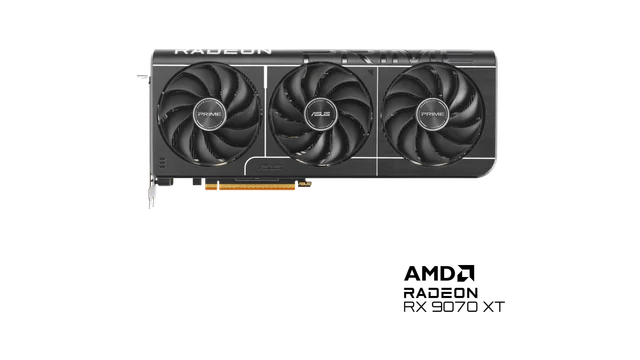
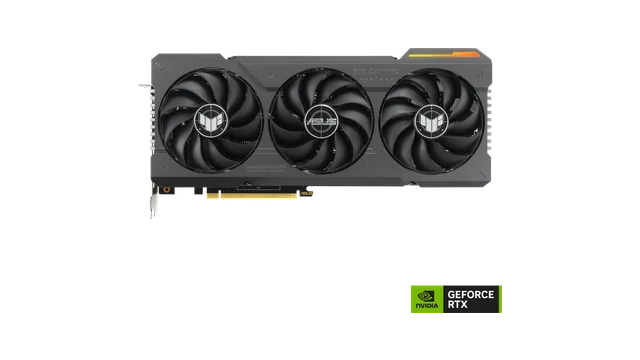
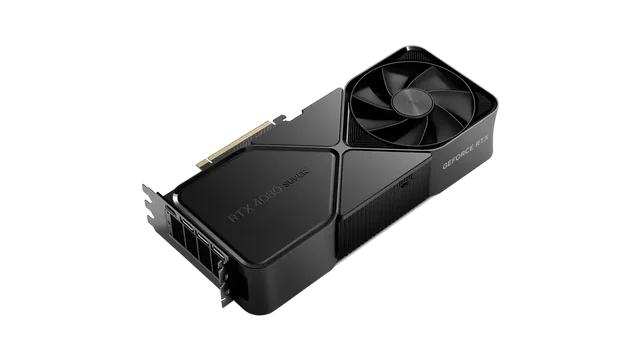
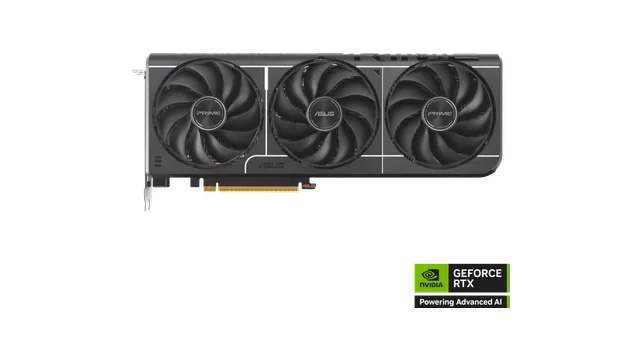
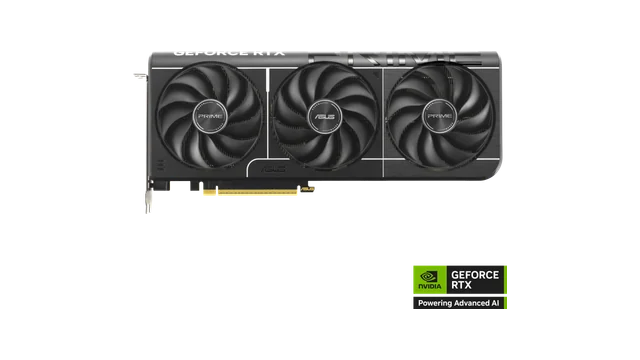





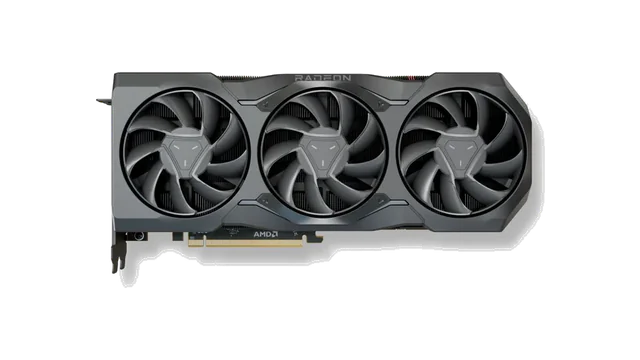

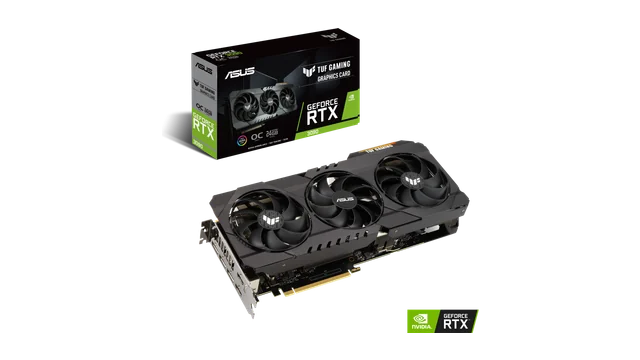
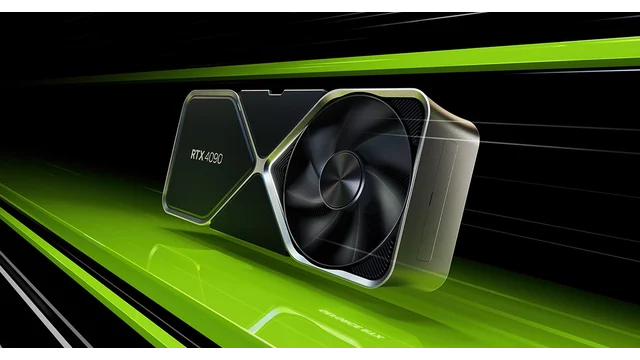
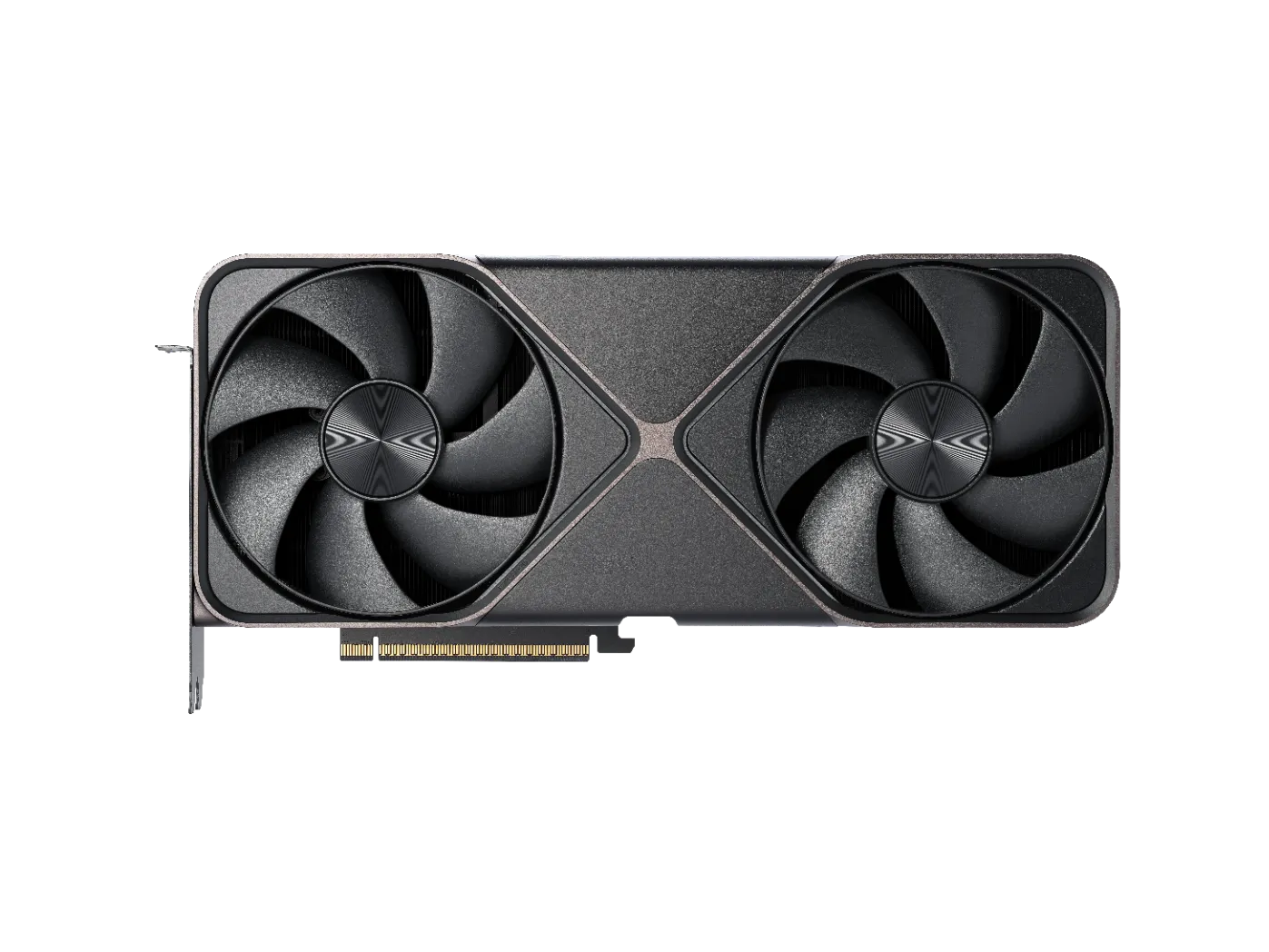


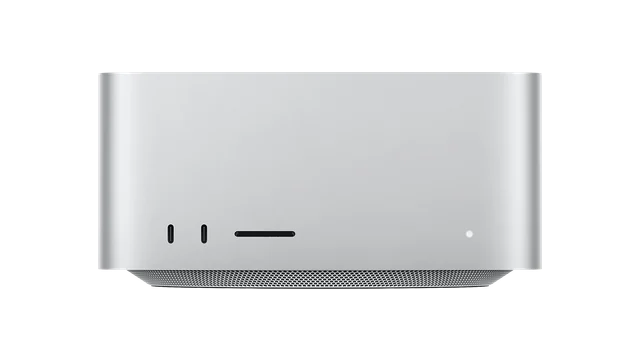
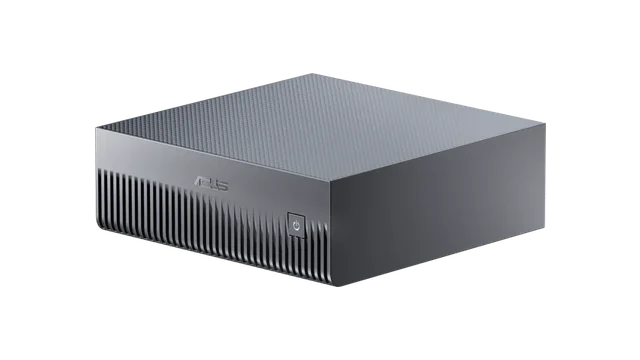



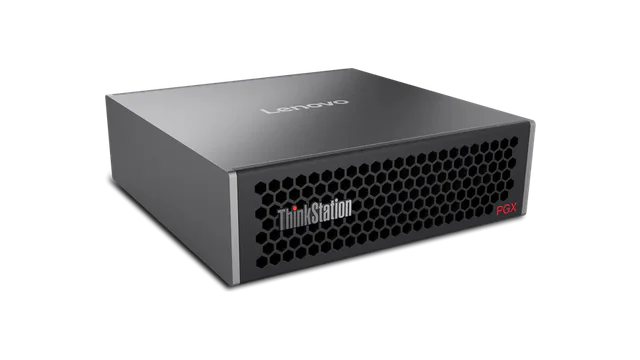
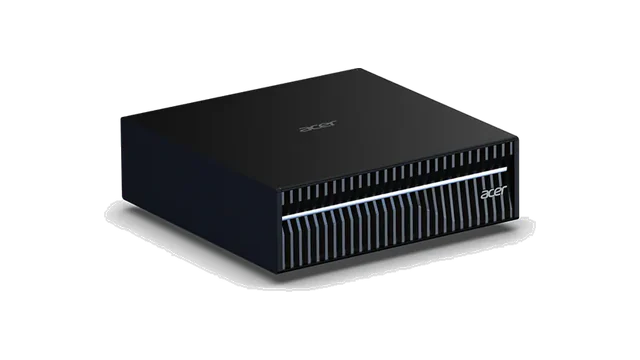
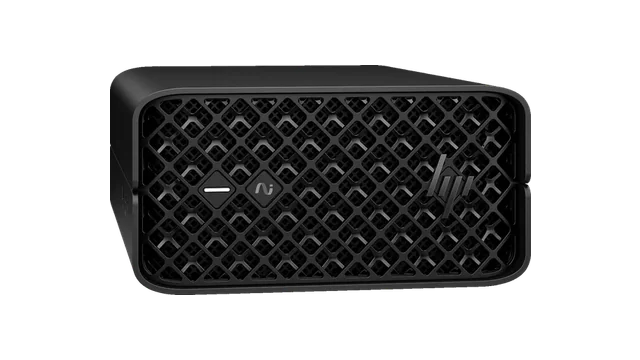
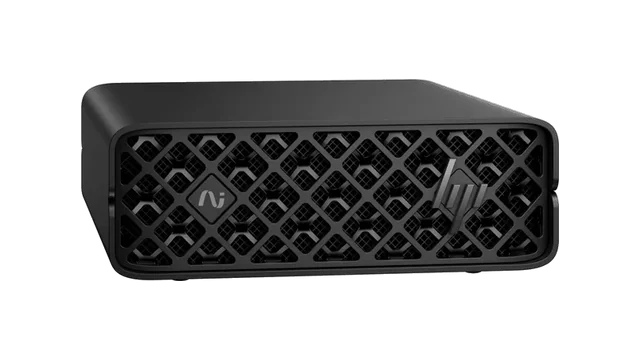
Hardware profiles grouped by the embedding planning estimate (8-bit weights, 20% allowance, 2 GB reserve). Not a measured fit.
Consider Nemotron 3 Embed 1B for retrieval and semantic search: it turns text into 2,048-dimension vectors.
The publisher states no memory figure; the hardware list uses a ~4 GB planning estimate, a ceiling and not a measurement. See the prompt format under How to run. PT-BR is confirmed by a source.
Measured speed
No published measurement for this checkpoint
Throughput (texts per second) is shown only when a source publishes it with hardware, build and setup. It is never estimated.
How to run
The planning estimate uses 8-bit weights, 20% working allowance and a 2 GB reserve; it is a ceiling, not a measurement.
- Runs in
- Sentence Transformers, vLLM, PyTorchsource
- Query/document prompts
- Add the 'query: ' prefix for queries and the 'passage: ' prefix for documents. Embeddings are L2-normalised.
- Languages · PT-BR
- Evaluated on 34 languages, Portuguese includedPT-BR confirmed by a source
Documented ways to run it
Copied as printed in the linked source (read 2026-10-18); not run by this site.
pip install --upgrade "transformers>=5.2.0" "sentence-transformers>=5.4.1"import torch
from sentence_transformers import SentenceTransformer
MODEL_ID = "nvidia/Nemotron-3-Embed-1B-BF16"
model = SentenceTransformer(
MODEL_ID,
device="cuda",
model_kwargs={
"dtype": torch.bfloat16,
"attn_implementation": "flash_attention_2",
},
)
model.max_seq_length = 32768
QUERIES = [
"Write a Python function that counts the frequency of each element in a list of lists.",
"Write a function that orders a dictionary with tuple keys by the product of each key's tuple values.",
"What symptoms and common triggers help distinguish eczema from other inflammatory skin conditions?",
"How can someone reduce exposure to pollen during allergy season?",
]
DOCUMENTS = [
"def frequency_lists(list1):\n flattened = [item for sublist in list1 for item in sublist]\n counts = {}\n for item in flattened:\n if item in counts:\n counts[item] += 1\n else:\n counts[item] = 1\n return counts",
"def sort_dict_item(test_dict):\n return {key: test_dict[key] for key in sorted(test_dict.keys(), key=lambda ele: ele[0] * ele[1])}",
"Eczema commonly causes itchy, dry, inflamed patches of skin. The affected areas may look red, scaly, cracked, or darker than the surrounding skin depending on skin tone. Symptoms can flare after exposure to irritants, allergens, stress, or changes in weather.",
"People with pollen allergy can reduce exposure by staying indoors on dry, windy days, avoiding early-morning outdoor activity, and going outside after rain when pollen levels are lower. They should check pollen forecasts, close windows and doors when counts are high, and consider starting allergy medication before symptoms begin if high pollen is expected. After being outside, showering, changing clothes, avoiding outdoor laundry drying, and wearing a face mask for yard work can help limit pollen contact.",
]
query_embeddings = model.encode_query(QUERIES, batch_size=8, convert_to_tensor=True)
document_embeddings = model.encode_document(DOCUMENTS, batch_size=8, convert_to_tensor=True)
scores = model.similarity(query_embeddings, document_embeddings)
print("Similarity scores:")
print(f"{'':>4}" + "".join(f"d[{i}]".rjust(10) for i in range(scores.shape[1])))
for query_index, row in enumerate(scores):
print(f"q[{query_index}]" + "".join(f"{score.item():>10.4f}" for score in row))pip install --upgrade "vllm==0.25.0" openai requests numpyMODEL_ID=nvidia/Nemotron-3-Embed-1B-BF16
vllm serve "$MODEL_ID"pip install --upgrade "transformers>=5.2.0" "sentence-transformers>=5.4.1"import torch
import torch.nn.functional as F
from transformers import AutoModel, AutoTokenizer
MODEL_ID = "nvidia/Nemotron-3-Embed-1B-BF16"
MAX_LENGTH = 32768
BATCH_SIZE = 8
DTYPE = torch.bfloat16
ATTN_IMPLEMENTATION = "flash_attention_2"
QUERIES = [
"Write a Python function that counts the frequency of each element in a list of lists.",
"Write a function that orders a dictionary with tuple keys by the product of each key's tuple values.",
"What symptoms and common triggers help distinguish eczema from other inflammatory skin conditions?",
"How can someone reduce exposure to pollen during allergy season?",
]
DOCUMENTS = [
"def frequency_lists(list1):\n flattened = [item for sublist in list1 for item in sublist]\n counts = {}\n for item in flattened:\n if item in counts:\n counts[item] += 1\n else:\n counts[item] = 1\n return counts",
"def sort_dict_item(test_dict):\n return {key: test_dict[key] for key in sorted(test_dict.keys(), key=lambda ele: ele[0] * ele[1])}",
"Eczema commonly causes itchy, dry, inflamed patches of skin. The affected areas may look red, scaly, cracked, or darker than the surrounding skin depending on skin tone. Symptoms can flare after exposure to irritants, allergens, stress, or changes in weather.",
"People with pollen allergy can reduce exposure by staying indoors on dry, windy days, avoiding early-morning outdoor activity, and going outside after rain when pollen levels are lower. They should check pollen forecasts, close windows and doors when counts are high, and consider starting allergy medication before symptoms begin if high pollen is expected. After being outside, showering, changing clothes, avoiding outdoor laundry drying, and wearing a face mask for yard work can help limit pollen contact.",
]
def average_pool(last_hidden_state: torch.Tensor, attention_mask: torch.Tensor) -> torch.Tensor:
last_hidden = last_hidden_state.masked_fill(~attention_mask[..., None].bool(), 0.0)
return last_hidden.sum(dim=1) / attention_mask.sum(dim=1)[..., None]
if not torch.cuda.is_available():
raise RuntimeError("CUDA is required for practical BF16 inference.")
device = torch.device("cuda")
tokenizer = AutoTokenizer.from_pretrained(MODEL_ID, padding_side="left")
if tokenizer.pad_token is None:
tokenizer.pad_token = tokenizer.eos_token
model = AutoModel.from_pretrained(
MODEL_ID,
dtype=DTYPE,
attn_implementation=ATTN_IMPLEMENTATION,
).to(device)
model.eval()
def encode_texts(texts: list[str]) -> torch.Tensor:
embedding_batches = []
for start in range(0, len(texts), BATCH_SIZE):
encoded = tokenizer(
texts[start : start + BATCH_SIZE],
max_length=MAX_LENGTH,
truncation=True,
padding=True,
return_tensors="pt",
)
encoded = {name: tensor.to(device) for name, tensor in encoded.items()}
with torch.inference_mode():
output = model(**encoded)
pooled = average_pool(output.last_hidden_state, encoded["attention_mask"])
embeddings = F.normalize(pooled, p=2, dim=-1)
embedding_batches.append(embeddings.detach().cpu().to(torch.float32))
return torch.cat(embedding_batches, dim=0)
embeddings = encode_texts(
["query: " + query for query in QUERIES]
+ ["passage: " + doc for doc in DOCUMENTS]
)
query_embeddings = embeddings[: len(QUERIES)]
document_embeddings = embeddings[len(QUERIES) :]
scores = query_embeddings @ document_embeddings.T
print("Similarity scores:")
print(f"{'':>4}" + "".join(f"d[{i}]".rjust(10) for i in range(scores.shape[1])))
for query_index, row in enumerate(scores):
print(f"q[{query_index}]" + "".join(f"{score.item():>10.4f}" for score in row))Technical details
What the source and the catalog store for this checkpoint. Missing fields are left out, never zero.
- Checkpoint / source
- nvidia/Nemotron-3-Embed-1B-BF16
- Task
- embeddings for search (feature extraction)
- Library in source
- Sentence Transformers, vLLM, PyTorch
- Weight license
- OpenMDW 1.1
- Commercial use
- Allowed OpenMDW 1.1 text (nvidia/NV-Reason-CT LICENSE) · read 2026-10-18license text
- Parameter basis
- Hub safetensors total (1,140,918,272 parameters, read 2026-10-09 from the Hub API).
- Announced
- 2026-07-16
Sources
Identity and published specifications come from the checkpoint page. Benchmark scores belong to the named release and do not measure speed on your computer.
- Publisher model card
- Hugging Face model page / card · 2026-10-09
- Hugging Face API (parameters, licence, library) · 2026-10-09
Curated facts checked: 2026-10-09. Each value cites its source (the publisher's card or the MTEB results dataset); estimates are labelled as estimates, and a value no source states stays empty. A repository commit is not a model release date.