


Maya1
Maya Research · maya-research/maya1
Weights license: Apache 2.0 · code and components may use other terms
Quality
No comparable score
Artificial Analysis score, rank and sample count excluded: its free tier is internal use only. Source checked 2026-09-22. Leaderboard (link only)
Reported by the publisher
Runs on
Enough memory 38
A publisher documents a path within this memory, on this platform (CUDA or Apple MPS). Conditional paths need offload or quantization.
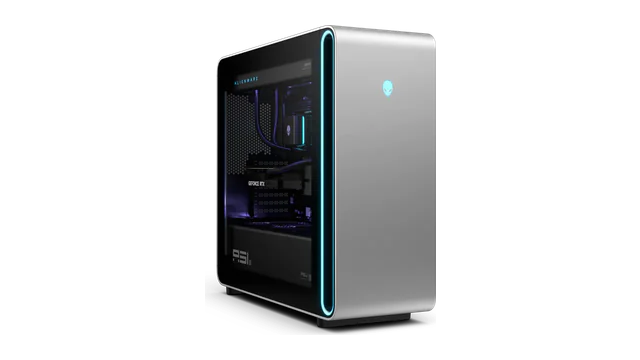
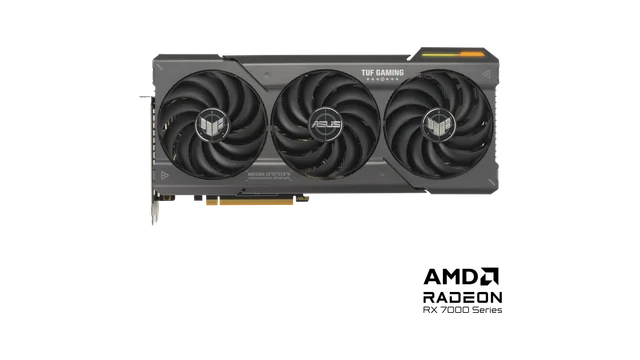
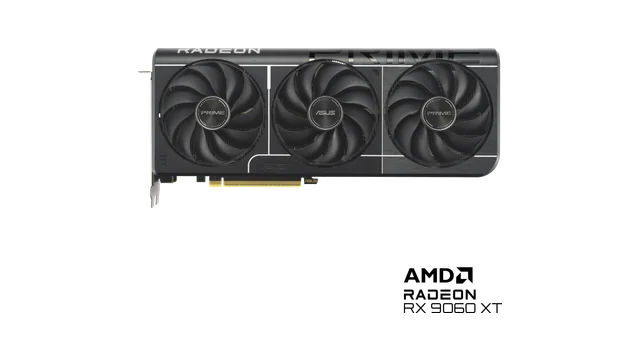
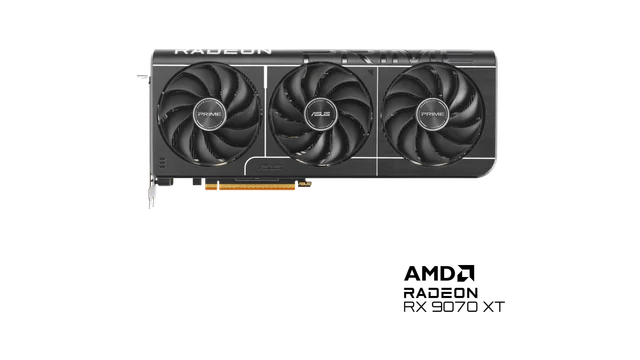
Show all 38
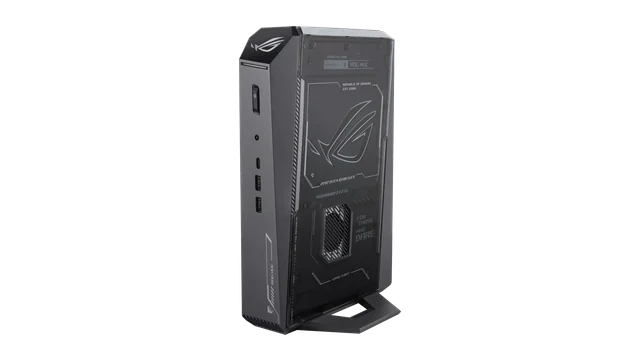

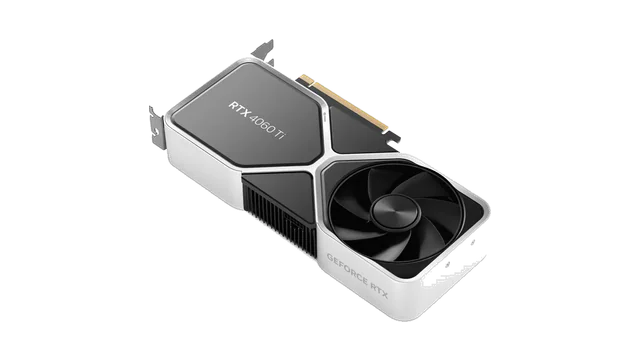
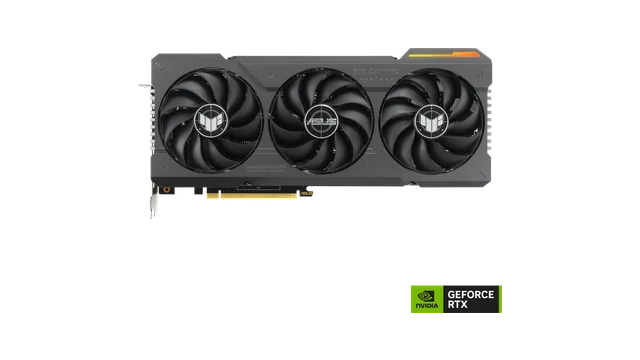
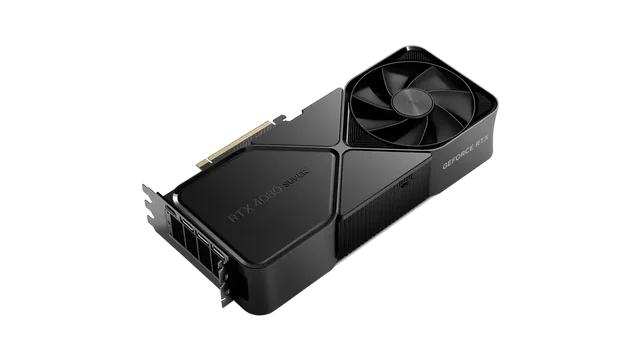
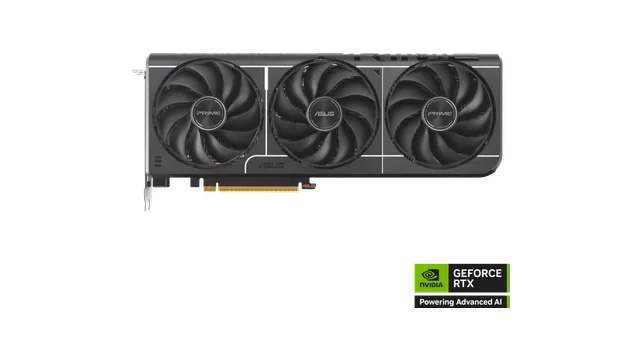
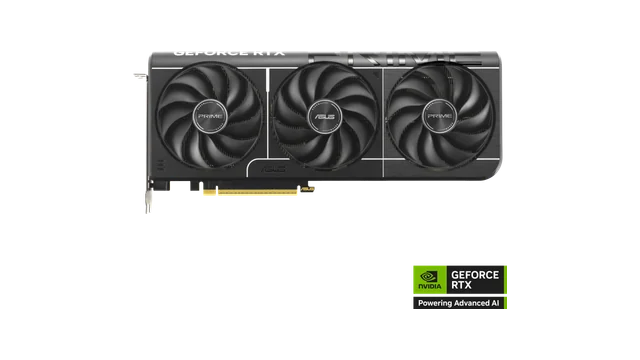




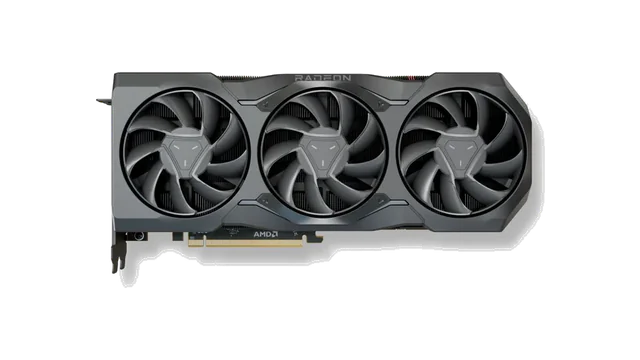

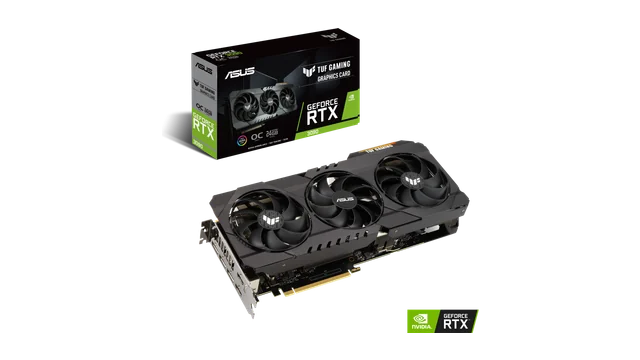
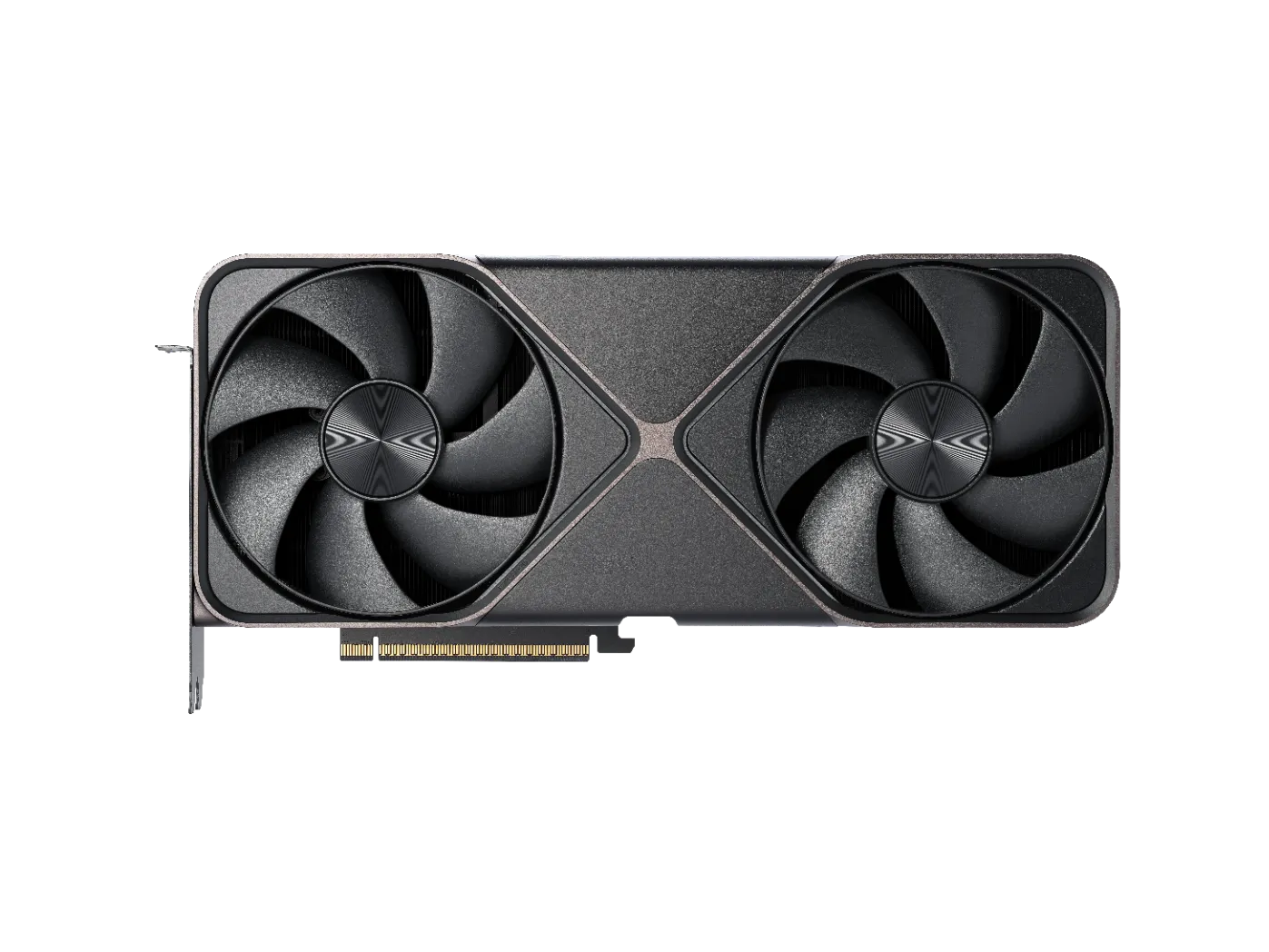



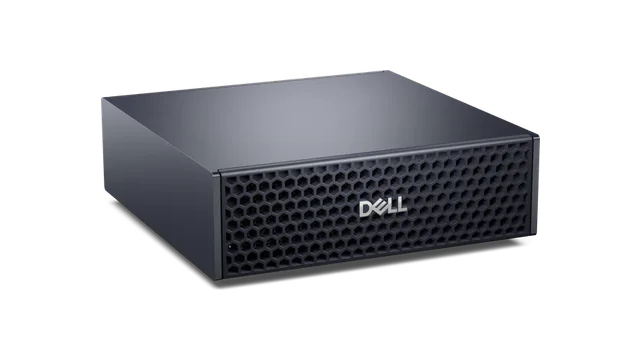

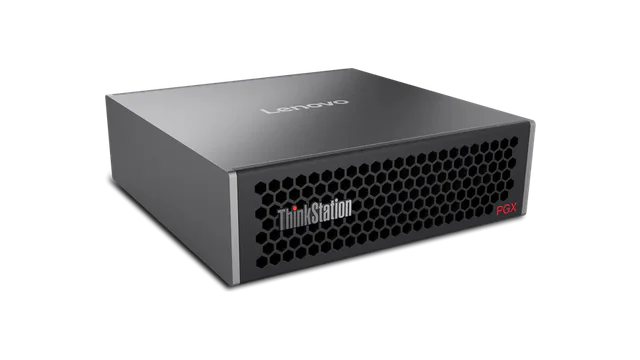
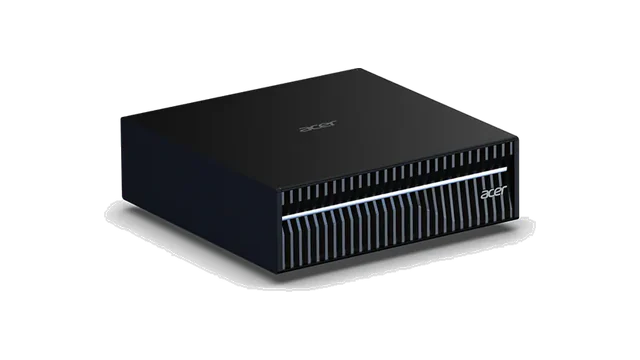
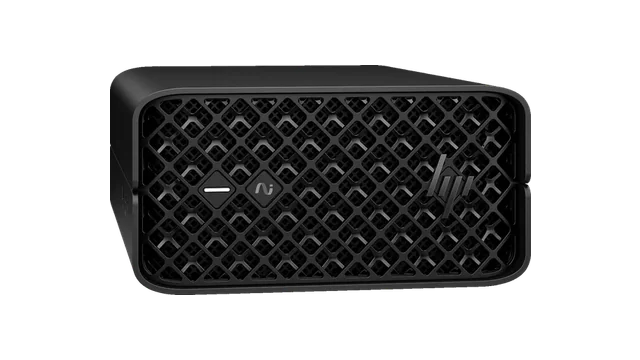
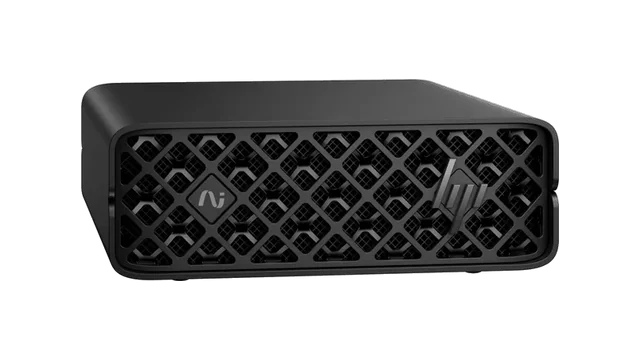
One memory tier short 8
The same machines with the next memory size up would have enough.

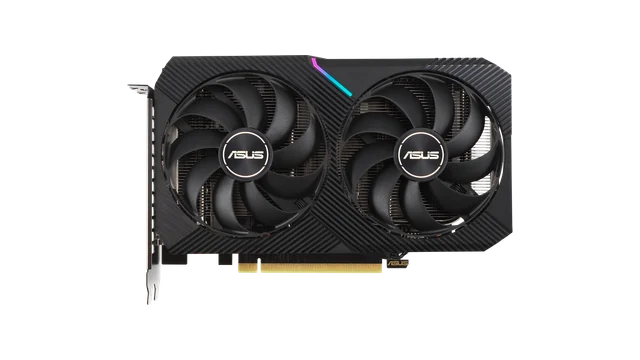
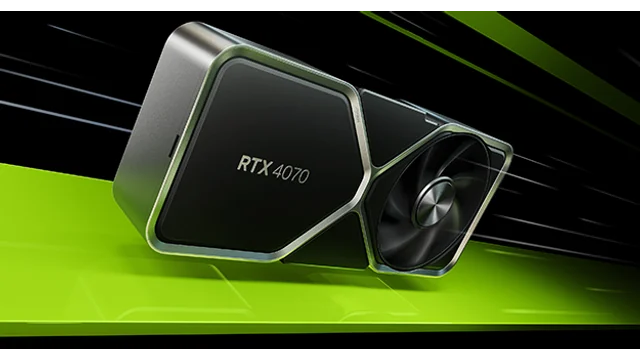
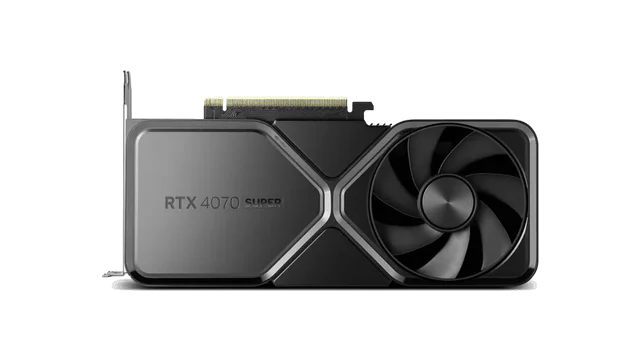
Hardware profiles grouped by the publisher's documented minimum memory path and platform. Not a measured run.
Consider Maya1 from Maya Research for the text-to-speech task (3B parameters).
The catalog lists the publisher's documented memory path under Runs on and has not reviewed other configurations. Actual memory depends on precision, resolution, duration and offload; consult the official source.
Measured speed
No published measurement for this checkpoint
Speed (real-time factor, or seconds per clip) is shown only when a source publishes it with hardware, build and setup. It is never estimated.
How to run
Publisher-documented memory path: Official single-GPU minimum. Actual memory depends on precision, resolution, duration and offload; consult the official source. Official hardware evidence
Documented ways to run it
Copied as printed in the linked source (read 2026-10-18); not run by this site.
pip install torch transformers accelerate snac soundfile numpy#!/usr/bin/env python3
import torch
from transformers import AutoModelForCausalLM, AutoTokenizer
from snac import SNAC
import soundfile as sf
import numpy as np
CODE_START_TOKEN_ID = 128257
CODE_END_TOKEN_ID = 128258
CODE_TOKEN_OFFSET = 128266
SNAC_MIN_ID = 128266
SNAC_MAX_ID = 156937
SNAC_TOKENS_PER_FRAME = 7
SOH_ID = 128259
EOH_ID = 128260
SOA_ID = 128261
BOS_ID = 128000
TEXT_EOT_ID = 128009
def build_prompt(tokenizer, description: str, text: str) -> str:
"""Build formatted prompt for Maya1."""
soh_token = tokenizer.decode([SOH_ID])
eoh_token = tokenizer.decode([EOH_ID])
soa_token = tokenizer.decode([SOA_ID])
sos_token = tokenizer.decode([CODE_START_TOKEN_ID])
eot_token = tokenizer.decode([TEXT_EOT_ID])
bos_token = tokenizer.bos_token
formatted_text = f'<description="{description}"> {text}'
prompt = (
soh_token + bos_token + formatted_text + eot_token +
eoh_token + soa_token + sos_token
)
return prompt
def extract_snac_codes(token_ids: list) -> list:
"""Extract SNAC codes from generated tokens."""
try:
eos_idx = token_ids.index(CODE_END_TOKEN_ID)
except ValueError:
eos_idx = len(token_ids)
snac_codes = [
token_id for token_id in token_ids[:eos_idx]
if SNAC_MIN_ID <= token_id <= SNAC_MAX_ID
]
return snac_codes
def unpack_snac_from_7(snac_tokens: list) -> list:
"""Unpack 7-token SNAC frames to 3 hierarchical levels."""
if snac_tokens and snac_tokens[-1] == CODE_END_TOKEN_ID:
snac_tokens = snac_tokens[:-1]
frames = len(snac_tokens) // SNAC_TOKENS_PER_FRAME
snac_tokens = snac_tokens[:frames * SNAC_TOKENS_PER_FRAME]
if frames == 0:
return [[], [], []]
l1, l2, l3 = [], [], []
for i in range(frames):
slots = snac_tokens[i*7:(i+1)*7]
l1.append((slots[0] - CODE_TOKEN_OFFSET) % 4096)
l2.extend([
(slots[1] - CODE_TOKEN_OFFSET) % 4096,
(slots[4] - CODE_TOKEN_OFFSET) % 4096,
])
l3.extend([
(slots[2] - CODE_TOKEN_OFFSET) % 4096,
(slots[3] - CODE_TOKEN_OFFSET) % 4096,
(slots[5] - CODE_TOKEN_OFFSET) % 4096,
(slots[6] - CODE_TOKEN_OFFSET) % 4096,
])
return [l1, l2, l3]
def main():
# Load the best open source voice AI model
print("\n[1/3] Loading Maya1 model...")
model = AutoModelForCausalLM.from_pretrained(
"maya-research/maya1",
torch_dtype=torch.bfloat16,
device_map="auto",
trust_remote_code=True
)
tokenizer = AutoTokenizer.from_pretrained(
"maya-research/maya1",
trust_remote_code=True
)
print(f"Model loaded: {len(tokenizer)} tokens in vocabulary")
# Load SNAC audio decoder (24kHz)
print("\n[2/3] Loading SNAC audio decoder...")
snac_model = SNAC.from_pretrained("hubertsiuzdak/snac_24khz").eval()
if torch.cuda.is_available():
snac_model = snac_model.to("cuda")
print("SNAC decoder loaded")
# Design your voice with natural language
description = "Realistic male voice in the 30s age with american accent. Normal pitch, warm timbre, conversational pacing."
text = "Hello! This is Maya1 <laugh_harder> the best open source voice AI model with emotions."
print("\n[3/3] Generating speech...")
print(f"Description: {description}")
print(f"Text: {text}")
# Create prompt with proper formatting
prompt = build_prompt(tokenizer, description, text)
# Debug: Show prompt details
print(f"\nPrompt preview (first 200 chars):")
print(f" {repr(prompt[:200])}")
print(f" Prompt length: {len(prompt)} chars")
# Generate emotional speech
inputs = tokenizer(prompt, return_tensors="pt", add_special_tokens=False)
print(f" Input token count: {inputs['input_ids'].shape[1]} tokens")
if torch.cuda.is_available():
inputs = {k: v.to("cuda") for k, v in inputs.items()}
with torch.inference_mode():
outputs = model.generate(
**inputs,
max_new_tokens=2048, # Increase to let model finish naturally
min_new_tokens=28, # At least 4 SNAC frames
temperature=0.4,
top_p=0.9,
repetition_penalty=1.1, # Prevent loops
do_sample=True,
eos_token_id=CODE_END_TOKEN_ID, # Stop at end of speech token
pad_token_id=tokenizer.pad_token_id,
)
# Extract generated tokens (everything after the input prompt)
generated_ids = outputs[0, inputs['input_ids'].shape[1]:].tolist()
print(f"Generated {len(generated_ids)} tokens")
# Debug: Check what tokens we got
print(f" First 20 tokens: {generated_ids[:20]}")
print(f" Last 20 tokens: {generated_ids[-20:]}")
# Check if EOS was generated
if CODE_END_TOKEN_ID in generated_ids:
eos_position = generated_ids.index(CODE_END_TOKEN_ID)
print(f" EOS token found at position {eos_position}/{len(generated_ids)}")
# Extract SNAC audio tokens
snac_tokens = extract_snac_codes(generated_ids)
print(f"Extracted {len(snac_tokens)} SNAC tokens")
# Debug: Analyze token types
snac_count = sum(1 for t in generated_ids if SNAC_MIN_ID <= t <= SNAC_MAX_ID)
other_count = sum(1 for t in generated_ids if t < SNAC_MIN_ID or t > SNAC_MAX_ID)
print(f" SNAC tokens in output: {snac_count}")
print(f" Other tokens in output: {other_count}")
# Check for SOS token
if CODE_START_TOKEN_ID in generated_ids:
sos_pos = generated_ids.index(CODE_START_TOKEN_ID)
print(f" SOS token at position: {sos_pos}")
else:
print(f" No SOS token found in generated output!")
if len(snac_tokens) < 7:
print("Error: Not enough SNAC tokens generated")
return
# Unpack SNAC tokens to 3 hierarchical levels
levels = unpack_snac_from_7(snac_tokens)
frames = len(levels[0])
print(f"Unpacked to {frames} frames")
print(f" L1: {len(levels[0])} codes")
print(f" L2: {len(levels[1])} codes")
print(f" L3: {len(levels[2])} codes")
# Convert to tensors
device = "cuda" if torch.cuda.is_available() else "cpu"
codes_tensor = [
torch.tensor(level, dtype=torch.long, device=device).unsqueeze(0)
for level in levels
]
# Generate final audio with SNAC decoder
print("\n[4/4] Decoding to audio...")
with torch.inference_mode():
z_q = snac_model.quantizer.from_codes(codes_tensor)
audio = snac_model.decoder(z_q)[0, 0].cpu().numpy()
# Trim warmup samples (first 2048 samples)
if len(audio) > 2048:
audio = audio[2048:]
duration_sec = len(audio) / 24000
print(f"Audio generated: {len(audio)} samples ({duration_sec:.2f}s)")
# Save your emotional voice output
output_file = "output.wav"
sf.write(output_file, audio, 24000)
print(f"\nVoice generated successfully!")
if __name__ == "__main__":
main()python maya1_inference.py \
--description 'A warm narrator with clear diction.' \
--text 'Hello. This is a short voice generation example.' \
--output maya1-example.wav \
--allow-downloadEvidence level: Publisher documentation linked; no execution reproduced by this site.
Before downloading
- Check the exact checkpoint and license linked here.
- Confirm a compatible runtime and precision or quantization for your platform.
- Allow for context, batch size and any extra media components beyond the weights.
Technical details
What the source and the catalog store for this checkpoint. Missing fields are left out, never zero.
- Checkpoint / version
- maya-research/maya1
- Task and modality
- text-to-speech · audio
- Count and basis
- 3B · manufacturer model card
- Published repository size
- 6.7 GBNot runtime memory or a minimum download.files
- Published components
- Technical details pending review
- Runtime and precision
- No local execution verified.
- Commercial use
- Allowed Apache License 2.0 text (SPDX) · read 2026-10-18license text
License, parameter count and release date come from the publisher's sources listed on this page (a date no source states is left empty). The hardware requirement has not been reviewed, so memory is a labelled estimate. The repository size, when shown, is the full published download.
Sources
Identity and published specifications come from the checkpoint page. Benchmark scores belong to the named release and do not measure speed on your computer.
- Publisher checkpoint and model card
- Weight license and use terms
- Quality benchmark source · Artificial Analysis audio · excluded (free tier is internal use only)
- Publisher hardware documentation
Catalog reviewed: 2026-09-22.