


cogvlm2-llama3-caption
Z.ai · zai-org/cogvlm2-llama3-caption
Weights license: Publisher terms: cogvlm2 · code and components may use other terms
Quality
No comparable score
We track no public, comparable benchmark that covers this model yet. No score is inferred.
Reported by the publisher
Runs on
Fast memory holds it 90
The planning estimate fits the memory the model can use quickly: graphics card VRAM, or unified memory within the macOS GPU share.

Show all 90








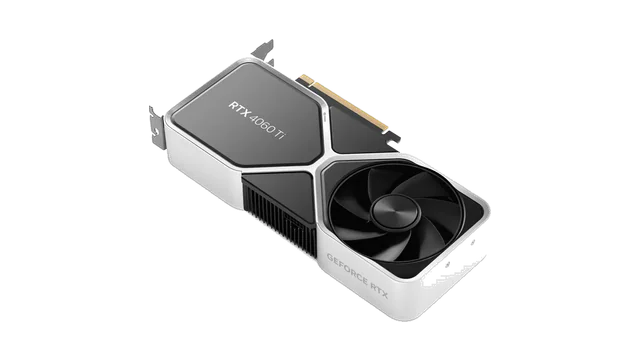
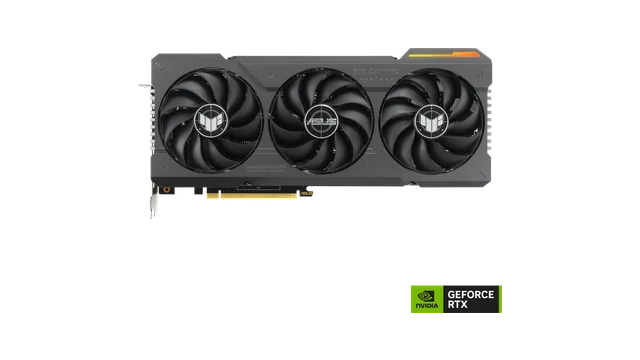
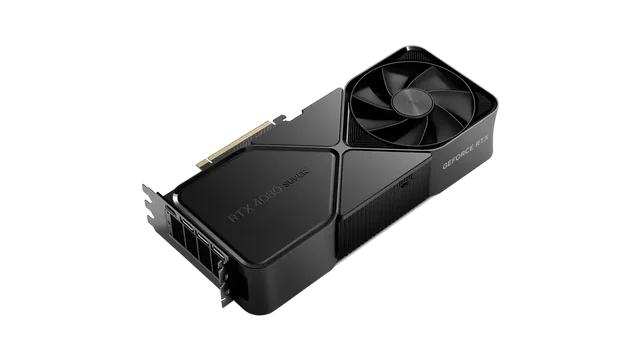
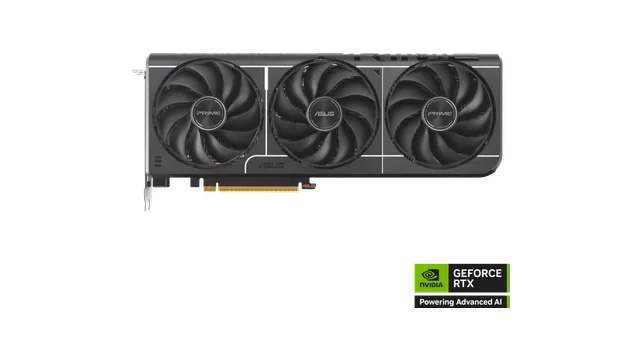
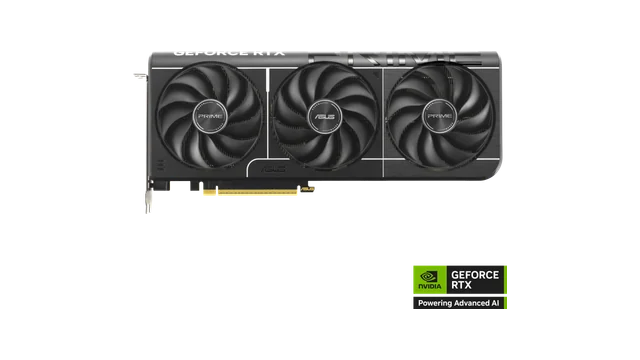
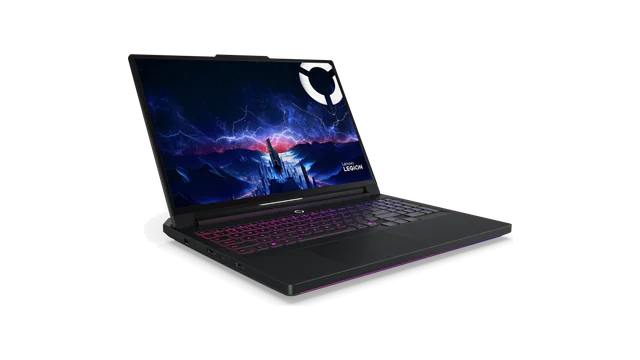


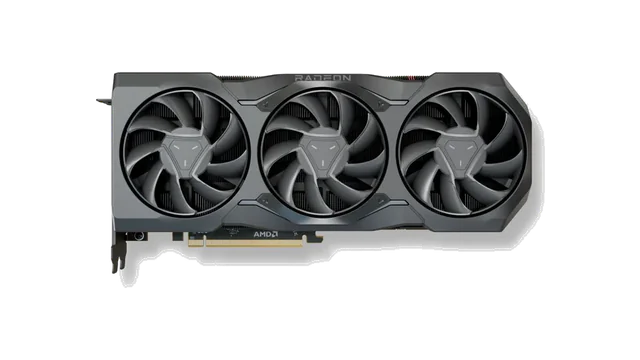
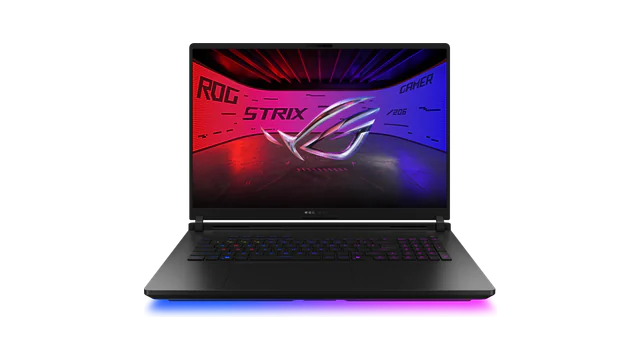
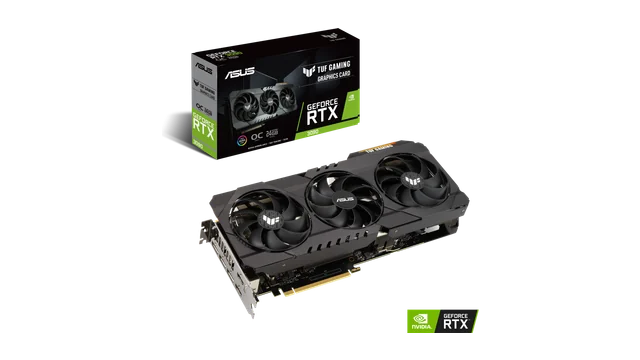
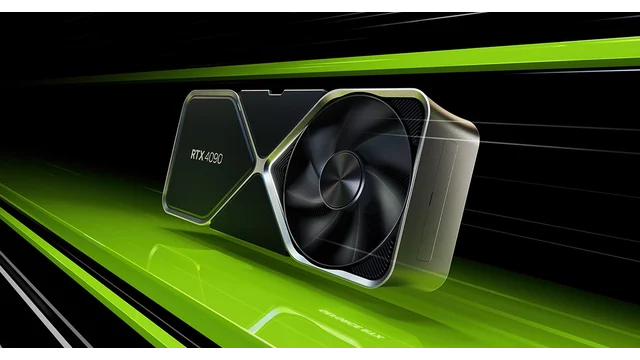
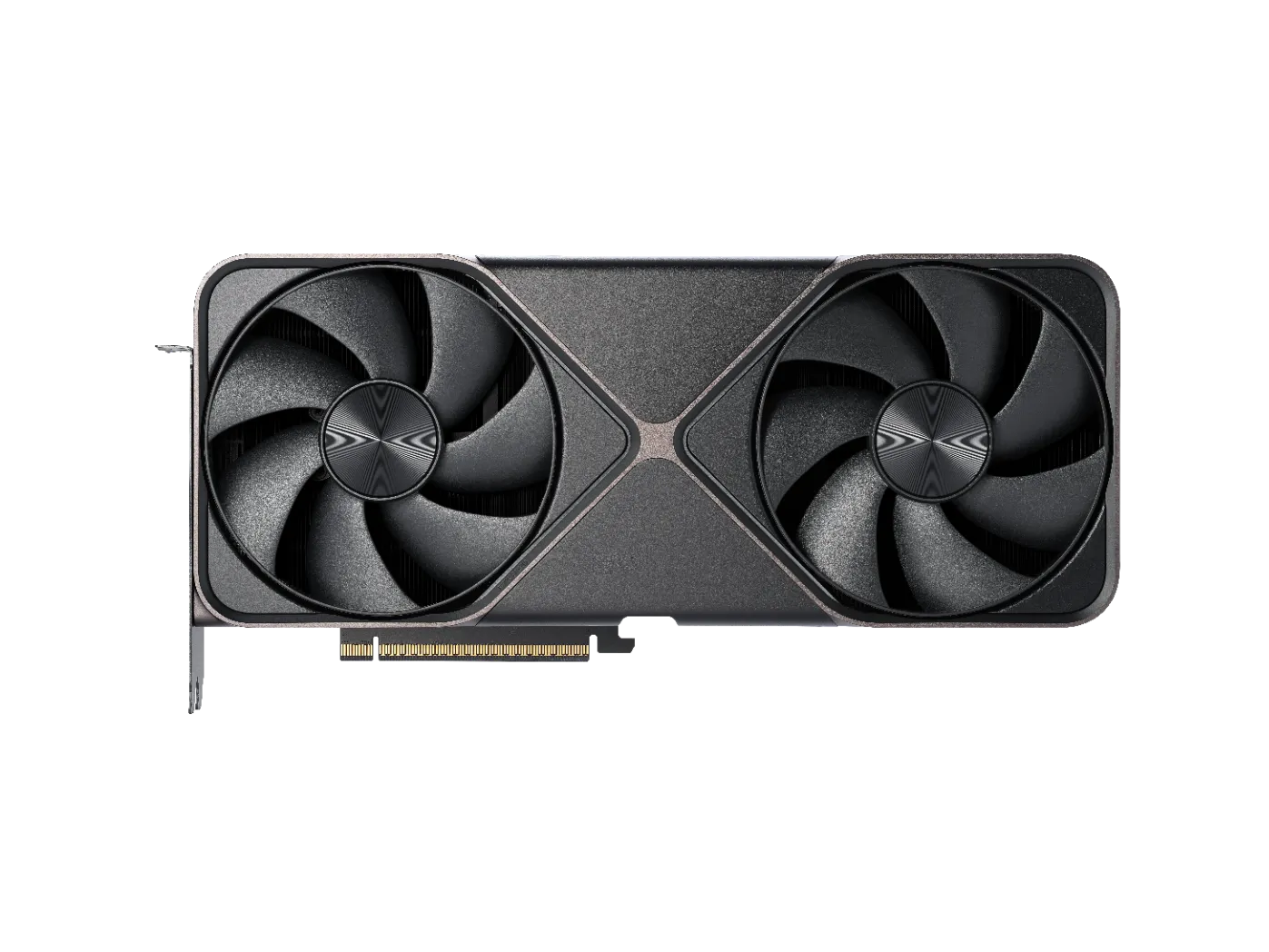
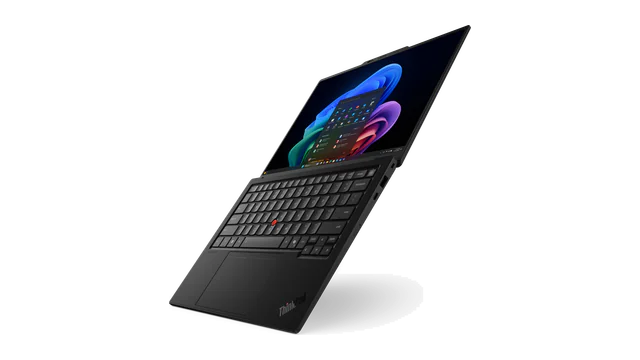
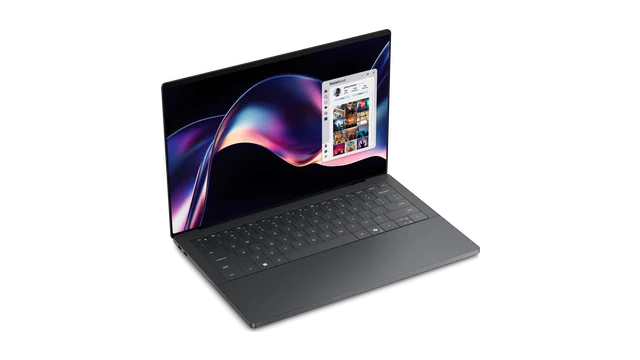
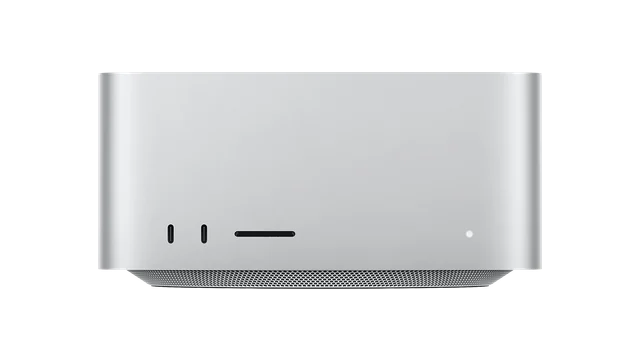
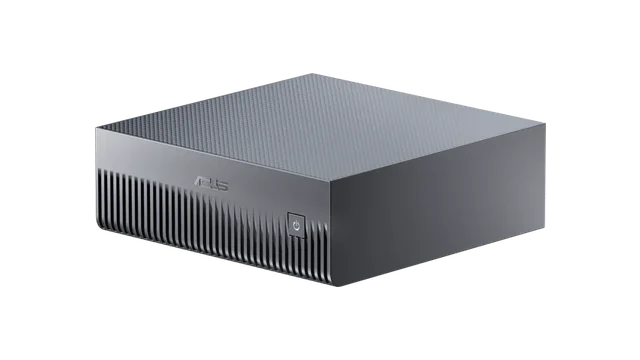
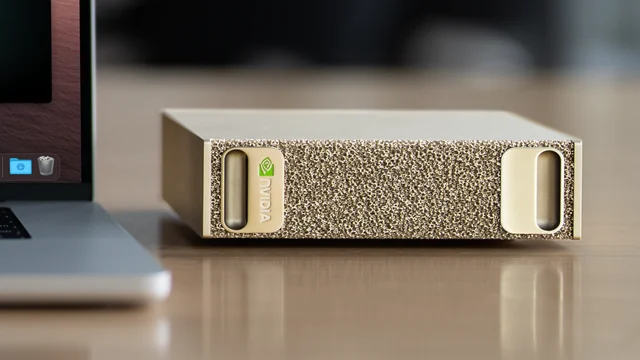
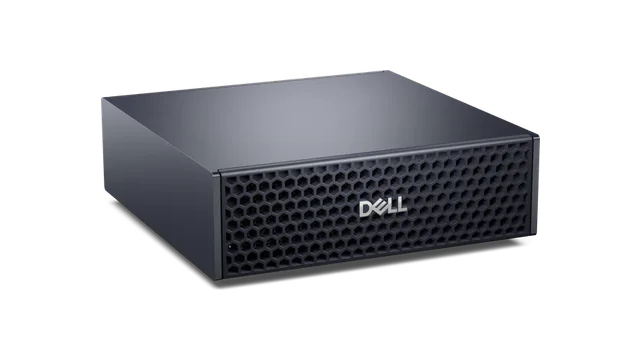
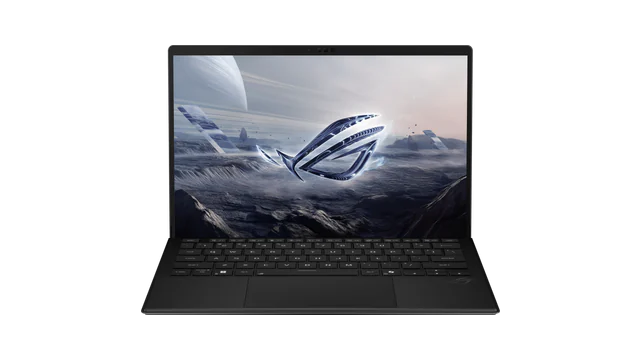
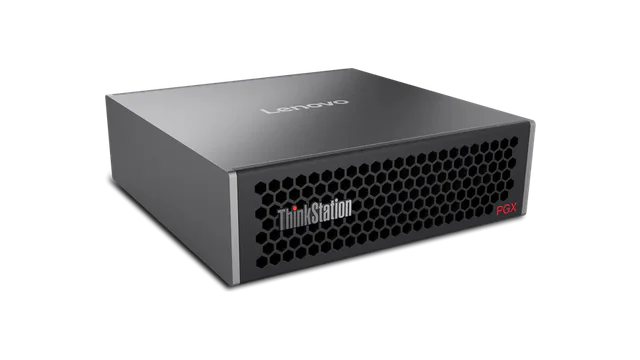
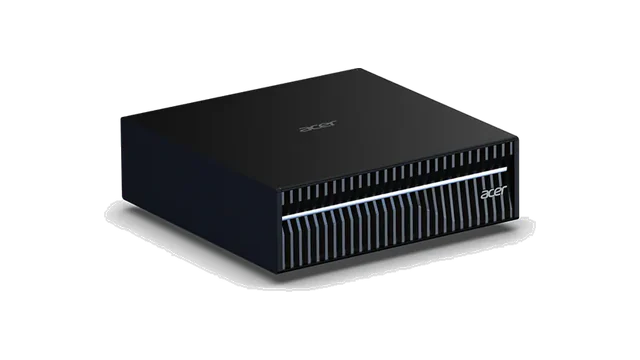
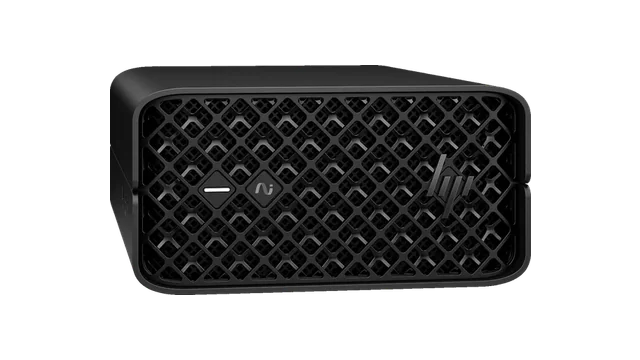
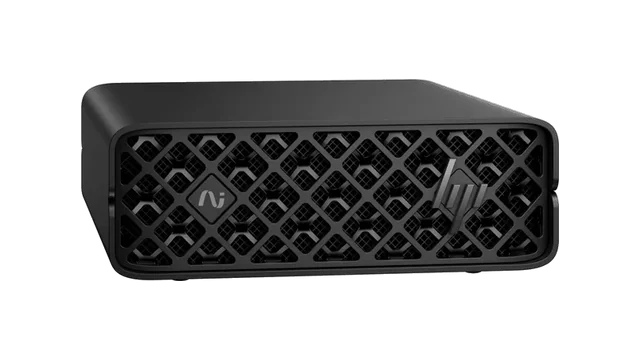
Within memory, outside the fast part 26
Within the machine's memory, outside its fast part: on a graphics card the layers that do not fit run on the CPU from PC RAM (the listed RAM, or 32 GB assumed); on a Mac, above the macOS default GPU share. Not a speed figure.
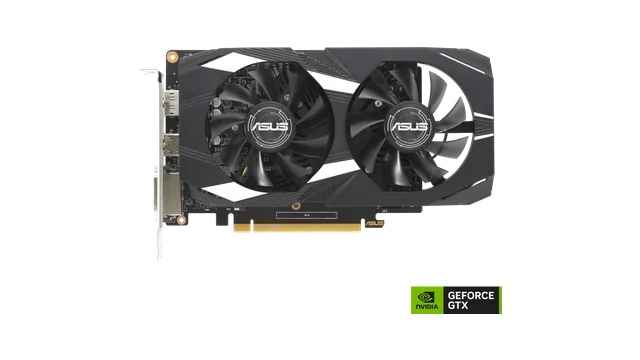

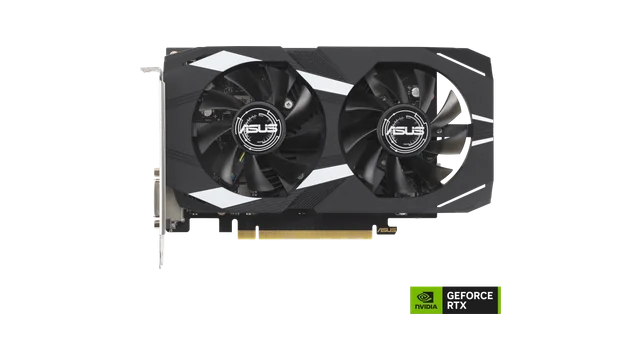

Show all 26
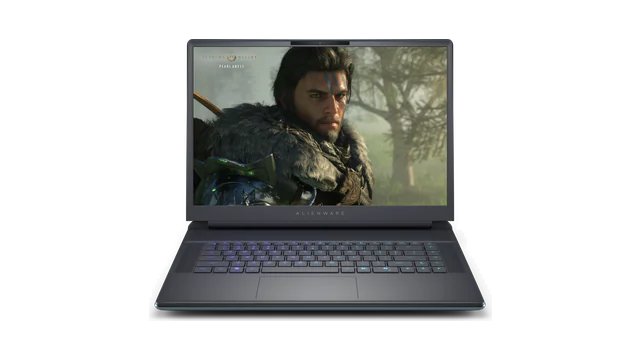
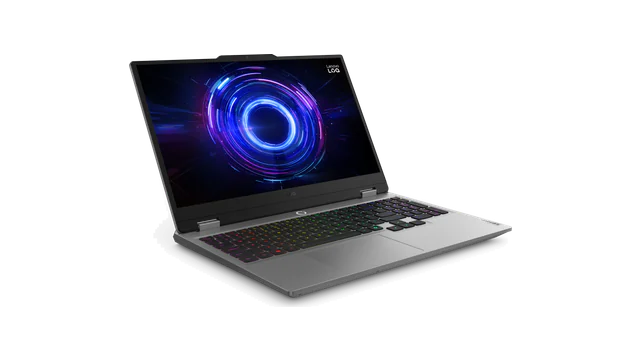
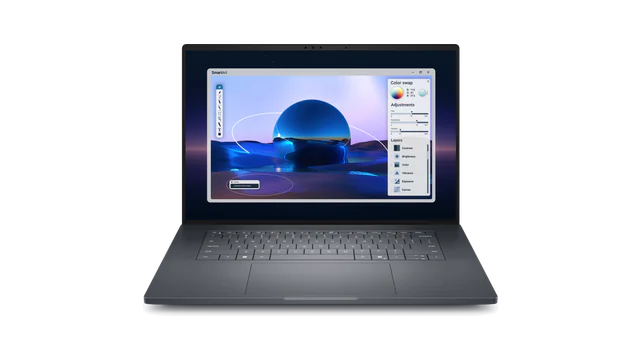
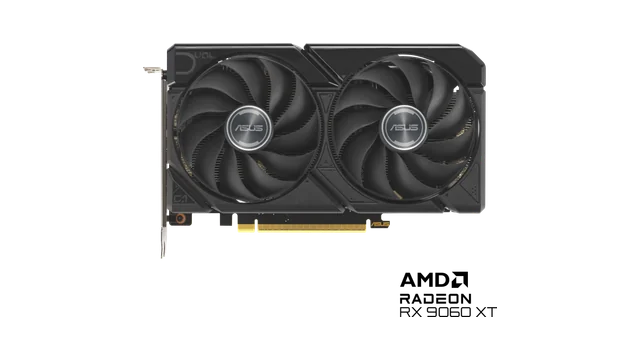
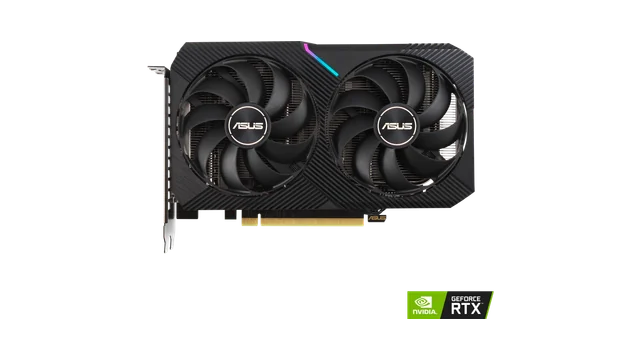
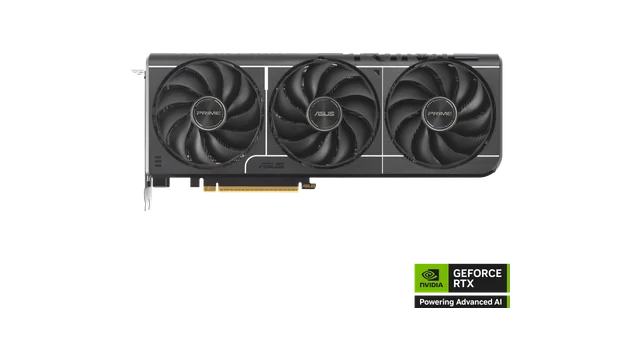
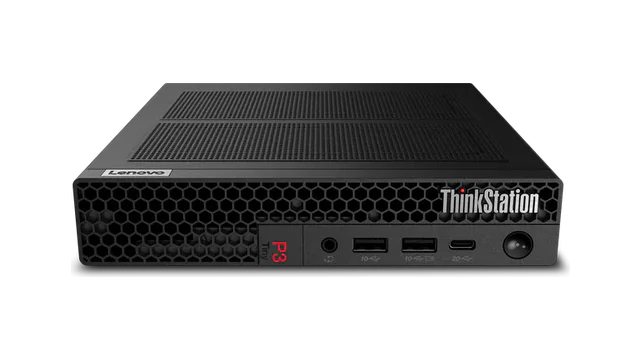
One memory tier short 3
The same machines with the next memory size up would hold it in fast memory.

Hardware profiles grouped by the Q4 planning estimate on each machine (dedicated GPUs reserve 2 GB; unified and system memory 25%, 2 to 8 GB): the fast memory holds it, it is within memory but outside the fast part (layers offloaded to PC RAM, or above the macOS GPU share), or the machine is one memory tier short. Not a measured fit or speed.
Z.ai released cogvlm2-llama3-caption on 2024-09-19: a vision-language model for video and images, with 12.5B parameters on the Hugging Face count and the Publisher terms: cogvlm2 license. Languages the publisher declares: en.
License: commercial use allowed with conditions: Register with Zhipu AI before commercial use. At Q4 the weights load about 9.4 GB before each machine's reserve; image resolution, video frames and context add memory, and the vision encoder needs support in the runtime you pick.
Measured speed
No published measurement for this checkpoint
Tokens per second are shown only when a source publishes them with hardware, build and setup. They are never estimated.
How to run
Runtime compatibility and tokens per second have not been measured for this entry. Published metadata and a memory estimate do not prove a successful local run.
Library in source: transformers
Documented ways to run it
Copied as printed in the linked source (read 2026-10-18); not run by this site.
import io

import argparse
import numpy as np
import torch
from decord import cpu, VideoReader, bridge
from transformers import AutoModelForCausalLM, AutoTokenizer

MODEL_PATH = "THUDM/cogvlm2-llama3-caption"

DEVICE = 'cuda' if torch.cuda.is_available() else 'cpu'
TORCH_TYPE = torch.bfloat16 if torch.cuda.is_available() and torch.cuda.get_device_capability()[
    0] >= 8 else torch.float16

parser = argparse.ArgumentParser(description="CogVLM2-Video CLI Demo")
parser.add_argument('--quant', type=int, choices=[4, 8], help='Enable 4-bit or 8-bit precision loading', default=0)
args = parser.parse_args([])


def load_video(video_data, strategy='chat'):
    bridge.set_bridge('torch')
    mp4_stream = video_data
    num_frames = 24
    decord_vr = VideoReader(io.BytesIO(mp4_stream), ctx=cpu(0))

    frame_id_list = None
    total_frames = len(decord_vr)
    if strategy == 'base':
        clip_end_sec = 60
        clip_start_sec = 0
        start_frame = int(clip_start_sec * decord_vr.get_avg_fps())
        end_frame = min(total_frames,
                        int(clip_end_sec * decord_vr.get_avg_fps())) if clip_end_sec is not None else total_frames
        frame_id_list = np.linspace(start_frame, end_frame - 1, num_frames, dtype=int)
    elif strategy == 'chat':
        timestamps = decord_vr.get_frame_timestamp(np.arange(total_frames))
        timestamps = [i[0] for i in timestamps]
        max_second = round(max(timestamps)) + 1
        frame_id_list = []
        for second in range(max_second):
            closest_num = min(timestamps, key=lambda x: abs(x - second))
            index = timestamps.index(closest_num)
            frame_id_list.append(index)
            if len(frame_id_list) >= num_frames:
                break

    video_data = decord_vr.get_batch(frame_id_list)
    video_data = video_data.permute(3, 0, 1, 2)
    return video_data


tokenizer = AutoTokenizer.from_pretrained(
    MODEL_PATH,
    trust_remote_code=True,
)

model = AutoModelForCausalLM.from_pretrained(
    MODEL_PATH,
    torch_dtype=TORCH_TYPE,
    trust_remote_code=True
).eval().to(DEVICE)


def predict(prompt, video_data, temperature):
    strategy = 'chat'

    video = load_video(video_data, strategy=strategy)

    history = []
    query = prompt
    inputs = model.build_conversation_input_ids(
        tokenizer=tokenizer,
        query=query,
        images=[video],
        history=history,
        template_version=strategy
    )
    inputs = {
        'input_ids': inputs['input_ids'].unsqueeze(0).to('cuda'),
        'token_type_ids': inputs['token_type_ids'].unsqueeze(0).to('cuda'),
        'attention_mask': inputs['attention_mask'].unsqueeze(0).to('cuda'),
        'images': [[inputs['images'][0].to('cuda').to(TORCH_TYPE)]],
    }
    gen_kwargs = {
        "max_new_tokens": 2048,
        "pad_token_id": 128002,
        "top_k": 1,
        "do_sample": False,
        "top_p": 0.1,
        "temperature": temperature,
    }
    with torch.no_grad():
        outputs = model.generate(**inputs, **gen_kwargs)
        outputs = outputs[:, inputs['input_ids'].shape[1]:]
        response = tokenizer.decode(outputs[0], skip_special_tokens=True)
        return response


def test():
    prompt = "Please describe this video in detail."
    temperature = 0.1
    video_data = open('test.mp4', 'rb').read()
    response = predict(prompt, video_data, temperature)
    print(response)


if __name__ == '__main__':
test()Technical details
What the source and the catalog store for this checkpoint. Missing fields are left out, never zero.
- Checkpoint / source
- zai-org/cogvlm2-llama3-caption
- Task
- video-text-to-text
- Architecture
- CogVLMVideoForCausalLM
- Library in source
- transformers
- Weight license
- Publisher terms: cogvlm2zai-org/cogvlm2-llama3-caption model card (Hugging Face) · read 2026-10-18source
- Commercial use
- Allowed with conditions Register with Zhipu AI before commercial use · CogVLM2 license (zai-org/cogvlm2-llama3-chat-19B LICENSE) · read 2026-10-18license text
- Languages
- enModel card metadata · read 2026-10-25source
- Released
- CogVideo README news (GitHub, THUDM/Zhipu AI) · read 2026-10-18source
Every stored field
- Revision checked
- df8ec7b6de0eb36bab0549267bf322b17202ba24
- Architecture
- CogVLMVideoForCausalLM
- Library
- transformers
- Hub task tag
- video-text-to-text
- Declared base models
- meta-llama/Meta-Llama-3.1-8B-Instruct
- Formats
- safetensors
- Access
- Open download
- Publisher kind
- Official
- Repository created
- 2024-09-18creation is not the model's release
- Repository updated
- 2025-05-14a commit is not a release date
- Hub downloads (30 days) · likes
- 335 · 119this repository only · read 2026-10-25
- Read from the Hub page
- transformers class, task tagsHub overview and file listing · read 2026-10-18
- Catalog state
- Hub config or weights found; no inventory benchmark link
Sources
Identity and published specifications come from the checkpoint page. Benchmark scores belong to the named release and do not measure speed on your computer.
- Publisher model card
- License: zai-org/cogvlm2-llama3-caption model card (Hugging Face)
- Release date: CogVideo README news (GitHub, THUDM/Zhipu AI)
Curated facts checked: 2026-10-18. The license and release date cite the publisher's sources; parameters, files and task come from the Hugging Face record, and memory is a labelled estimate from its parameter count. A value no source states stays empty; a repository commit is not a model release date.